Best Cholesterol-Lowering Foods for Heart Health: Stunning Nutrition Tips
Cholesterol is a waxy substance found in your blood that is essential for building healthy cells. However, high levels of cholesterol, particularly LDL (low-density lipoprotein), can increase the risk of heart disease. The good news is that your diet plays a pivotal role in managing cholesterol levels and promoting heart health. By incorporating certain cholesterol-lowering foods into your daily meals, you can take proactive steps toward a healthier heart.
In this article, we’ll explore the best foods to include in your diet, backed by nutrition science, to help you maintain optimal cholesterol levels and support your overall well-being.
The Role of Diet in Managing Cholesterol
Your diet directly impacts your cholesterol levels. Consuming foods rich in saturated and trans fats can raise LDL cholesterol, while foods high in fiber, healthy fats, and plant sterols can help lower it. A heart-healthy diet focuses on nutrient-dense, whole foods that work synergistically to improve your lipid profile.
Here are some of the best cholesterol-lowering foods to add to your meals:
1. Oats and Whole Grains
Starting your day with a bowl of oatmeal is a simple yet effective way to lower cholesterol. Oats are rich in soluble fiber, particularly beta-glucan, which binds to cholesterol in the digestive system and helps remove it from the body. Whole grains like barley, quinoa, and brown rice also contain similar benefits, making them excellent additions to your diet.
2. Fatty Fish for Heart Health
Fatty fish such as salmon, mackerel, sardines, and trout are packed with omega-3 fatty acids. These healthy fats not only help lower LDL cholesterol but also reduce triglycerides and increase HDL (high-density lipoprotein) cholesterol, which is the “good” cholesterol. Aim to include fatty fish in your diet at least twice a week for optimal heart health benefits.
3. Nuts and Seeds
Nuts and seeds are nutritional powerhouses that can significantly improve your cholesterol levels. Almonds, walnuts, flaxseeds, and chia seeds are rich in monounsaturated fats, fiber, and plant sterols, all of which contribute to lower LDL cholesterol. A small handful of nuts or a sprinkle of seeds on your salad or yogurt can make a big difference.
4. Fruits and Vegetables
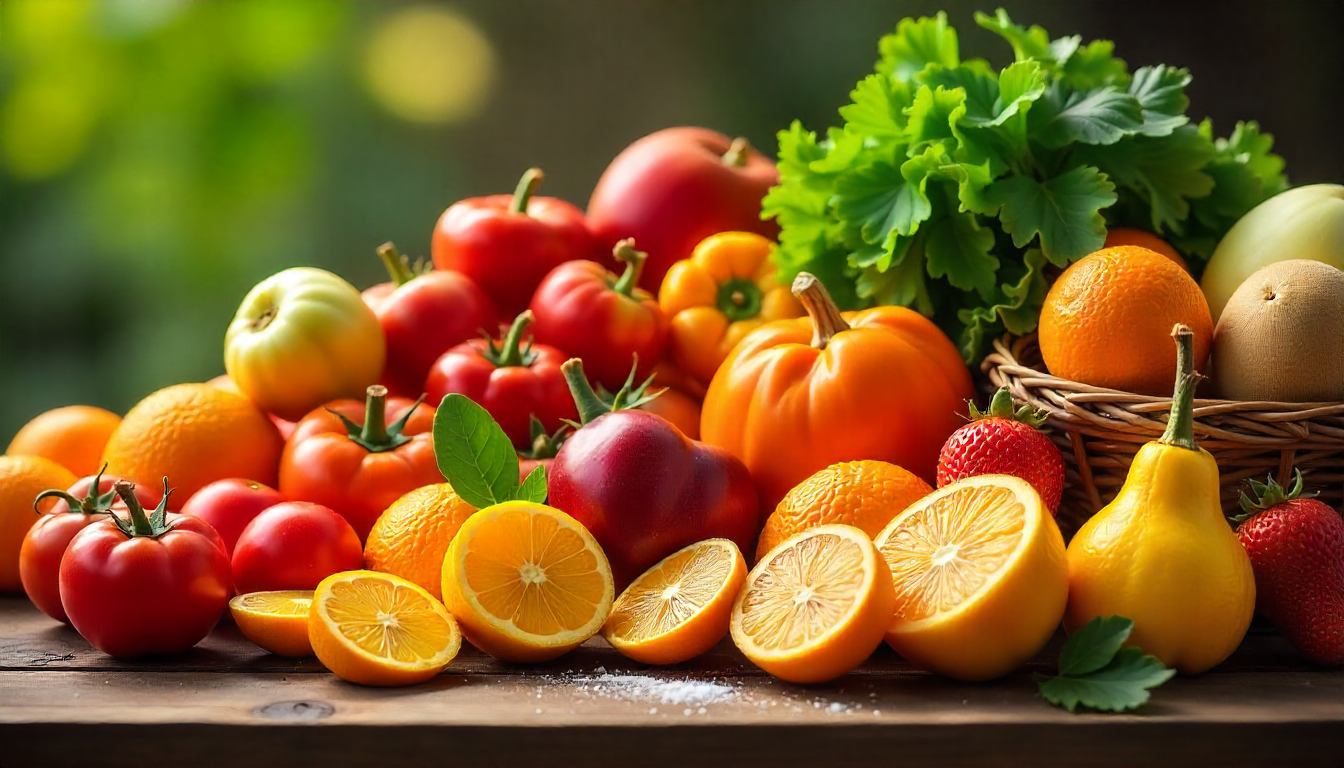
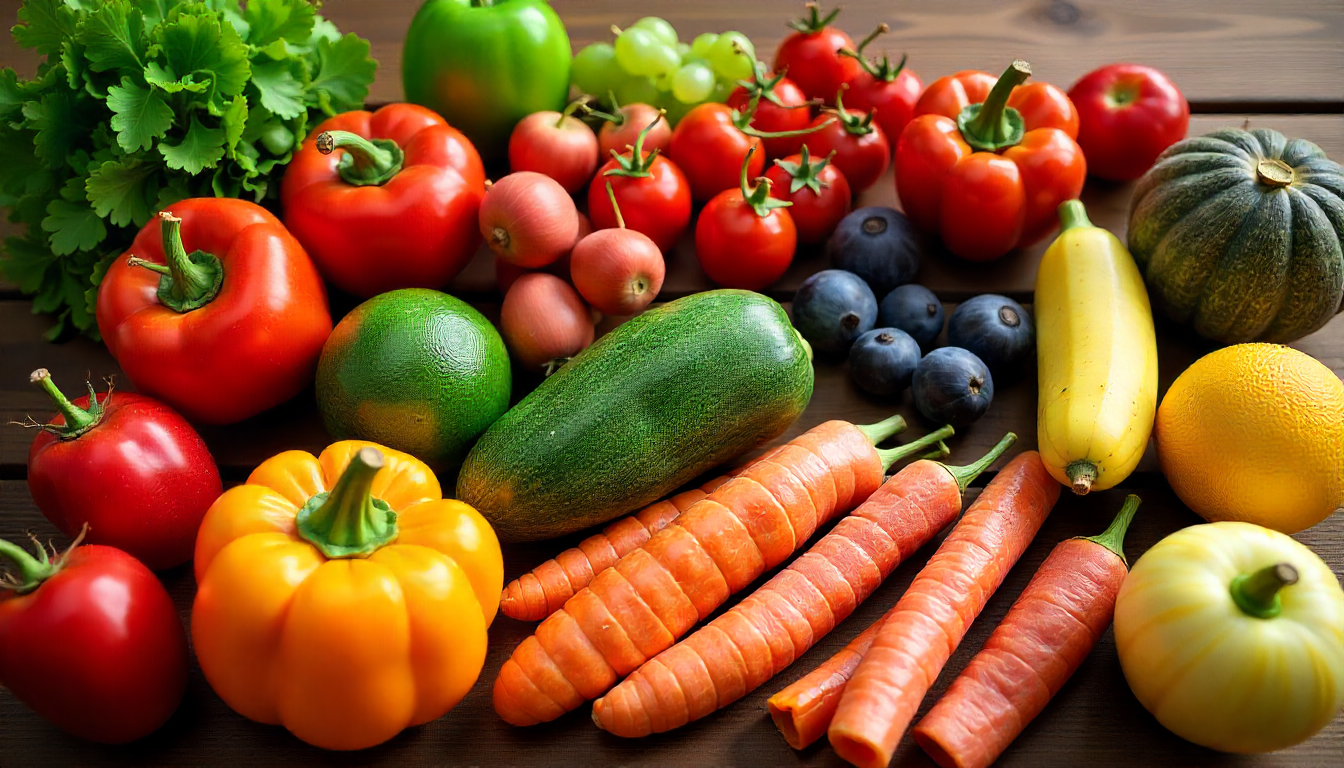
Fruits and vegetables are naturally low in saturated fat and high in fiber, antioxidants, and other heart-protective nutrients. Apples, berries, citrus fruits, leafy greens, and avocados are particularly effective at lowering cholesterol. The soluble fiber in these foods helps reduce cholesterol absorption in the bloodstream.
5. Legumes and Beans
Beans, lentils, and chickpeas are excellent sources of plant-based protein and soluble fiber. They help lower LDL cholesterol and keep you feeling full, making them a great addition to soups, stews, and salads.
Stunning Nutrition Tips for Heart Health
While incorporating these cholesterol-lowering foods into your diet is essential, it’s equally important to follow a few nutrition tips to maximize their benefits:
1. Limit Saturated and Trans Fats: Reduce your intake of red meat, full-fat dairy products, and processed foods, as they can raise LDL cholesterol.
2. Cook with Healthy Oils: Replace butter and lard with heart-healthy oils like olive oil, avocado oil, or canola oil.
3. Stay Active: Regular physical activity can help raise HDL cholesterol and lower LDL cholesterol.
4. Stay Hydrated: Drinking plenty of water supports overall health and helps your body process nutrients more efficiently.
5. Watch Portion Sizes: Even healthy foods can contribute to weight gain if consumed in excess, which can negatively impact cholesterol levels.
Conclusion
Managing cholesterol levels through diet is a powerful way to protect your heart and improve your overall health. By focusing on nutrient-rich foods like oats, fatty fish, nuts, fruits, vegetables, and legumes, you can naturally lower your cholesterol and reduce the risk of heart disease. Pair these dietary changes with healthy lifestyle habits for the best results, and consult with a healthcare professional or nutritionist for personalized advice.
With these stunning nutrition tips, you’ll be well on your way to achieving optimal cholesterol levels and a stronger, healthier heart. Start making small changes today, and your future self will thank you!