Distinguishing Between Flu and Cold: Unveil Must-Know Symptoms Effortlessly
Flu and cold are terms often used interchangeably to describe the general feelings of discomfort brought on by viral infections. Yet, understanding the symptoms of these two diseases is crucial in managing them effectively. Both illnesses are common, especially during the fall and winter months. By learning to differentiate between the two, you can make informed decisions about treatment options and know when it’s advised to seek medical attention.
Recognizing the Symptoms of Flu and Cold
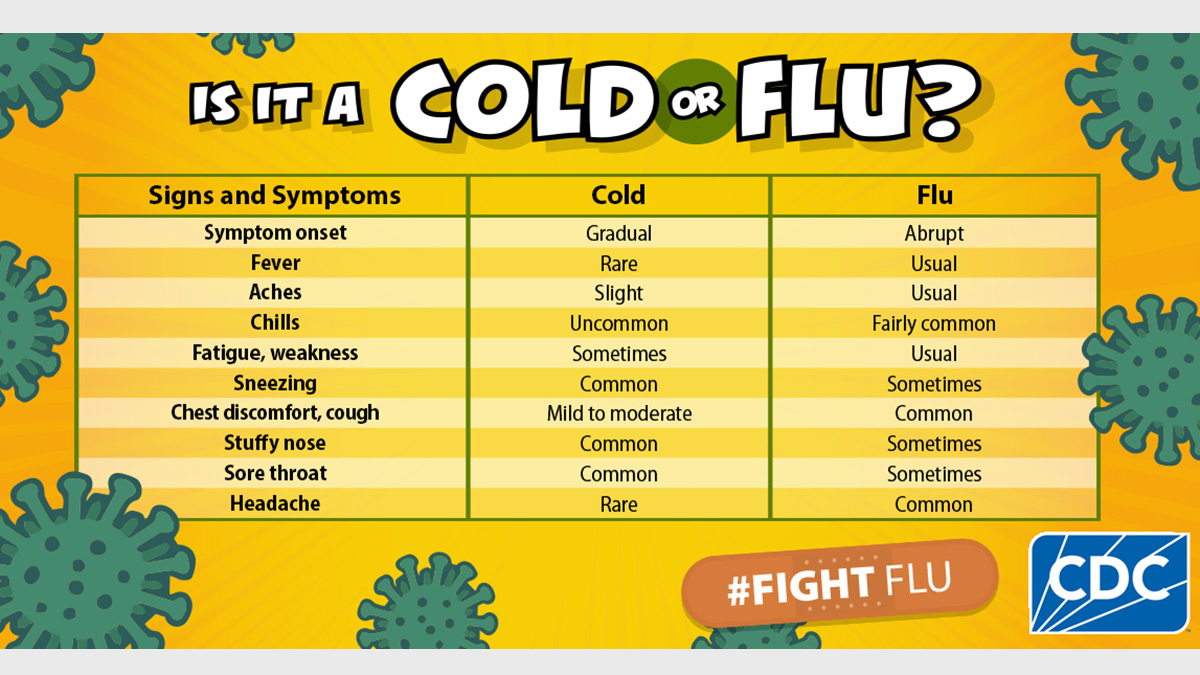
Understanding the symptoms of flu and cold is the first step in managing these common respiratory conditions. While both are caused by viruses, they differ significantly in their onset, severity, and impact on your overall health.
Cold Symptoms: Colds are typically milder respiratory illnesses than the flu, characterized by symptoms that gradually develop over a few days. Common indicators include:
– Sneezing
– Stuffy or runny nose
– Sore throat
– Mild headache
– Cough
– Slight body aches
– Low-grade fever (more common in children than adults)
Cold symptoms, although annoying, are generally not severe enough to interfere too much with daily activities. They typically resolve within a week to ten days without the need for medical treatment, primarily requiring symptom management through rest, hydration, and over-the-counter medications.
Flu Symptoms: Influenza, or the flu, presents more intense symptoms that often appear abruptly and include:
– High fever
– Severe body and muscle aches
– Chills
– Fatigue and weakness
– Headache
– Dry, persistent cough
– Sore throat (less common than with colds)
– Nasal congestion (less severe than with colds)
Flu symptoms can be so severe that they may lead to significant downtime, rendering individuals bedridden for several days. In certain groups, such as young children, the elderly, and those with compromised immune systems, the flu can lead to serious complications, necessitating medical intervention.
Managing and Treating Respiratory Diseases
Effectively managing symptoms of both the flu and cold starts with recognizing each disease’s unique characteristics. Here are some practical strategies to alleviate symptoms and ensure a speedy recovery:
For Colds:
1. Stay Hydrated: Drinking plenty of fluids, such as water, herbal teas, or broth, helps maintain hydration and loosens mucus.
2. Rest: Ensuring plenty of sleep allows your immune system to combat the cold virus more effectively.
3. Over-the-Counter Remedies: Decongestants, antihistamines, and pain relievers can help ease symptoms of congestion, headache, and body aches.
For Flu:
1. Consult a Healthcare Provider: If the flu is suspected, particularly in vulnerable populations, seeking medical guidance can help prevent complications.
2. Antiviral Medications: In some cases, antiviral drugs can shorten the duration of the illness if taken early in the infection.
3. Home Care: Similar to cold care, resting and staying hydrated are key. Over-the-counter medications can also manage symptoms like fever and body aches.
Preventative Measures Against Contagious Diseases
Prevention plays a critical role in protecting yourself from contracting these infectious diseases, especially during peak seasons. Adopting preventive habits reduces exposure to viruses and bolsters your immune defense.
– Vaccination: An annual flu vaccine is strongly recommended. It may not guarantee immunity but usually lessens the severity of the illness.
– Hygiene Practices: Regularly washing your hands with soap and water or using alcohol-based hand sanitizer minimizes the spread of germs.
– Avoid Close Contact: Keeping distance from those who are sick helps prevent the spread of viruses.
– Healthy Lifestyle: Maintaining a balanced diet, regular exercise, and sufficient sleep keeps your immune system robust.
Understanding the nuanced differences between flu and cold symptoms empowers you to manage these ailments efficiently and pursue the most suitable treatment. By recognizing signs early, taking preventive measures, and knowing when to engage healthcare professionals, you can navigate these common diseases with confidence and clarity.